Keep Project Sites Workable and Safe
Debris Removal in Jacksonville for construction waste, renovation leftovers, and yard debris after major outdoor work
Construction and renovation debris accumulates faster than most projects anticipate, and when scrap lumber, drywall chunks, old roofing, and discarded materials pile up, work sites become hazardous and unproductive until debris clears. Contractors working on Jacksonville properties need reliable debris removal that keeps projects moving forward without dedicating crew time to hauling runs, while homeowners managing DIY renovations quickly discover that standard trash service won't accept construction waste in curbside bins. Efficient hauling and responsible disposal keep sites accessible for ongoing work, prevent code violations from debris visible from streets, and eliminate tripping hazards that create liability exposure for property owners and contractors alike.
Purge It Pros handles construction, renovation, and yard debris removal with flexible scheduling that aligns with project timelines rather than forcing work to pause while debris sits. The service loads all materials, transports to appropriate disposal facilities based on waste type, and completes professional cleanup before leaving to ensure sites remain presentable throughout active projects.
Schedule debris removal services to maintain cleaner and safer properties during your active project.
What Maintaining Clean Sites Accomplishes
Regular debris removal during multi-phase projects prevents accumulation that blocks access to work areas, creates safety hazards for crews, and generates neighbor complaints in residential areas where visible construction waste sits for weeks. Jacksonville's building codes and neighborhood association rules often limit how long debris can remain visible on properties, and contractors risk stop-work orders or fines when waste management falls behind.
Once debris clears, work sites reveal progress rather than chaos, inspection access improves because building officials can navigate spaces without climbing over scrap piles, and final phases like flooring installation or landscaping proceed without first requiring massive cleanup efforts that should have happened incrementally.
Service accommodates contractors needing scheduled pickups throughout project duration and homeowners requiring one-time removal after work completes. Debris types handled include dimensional lumber, drywall, roofing materials, siding, and general construction waste, though certain materials like asbestos-containing products or contaminated soil require specialized disposal arrangements not included in standard debris removal.
Answers to Frequent Debris Questions
Both contractors and homeowners ask practical questions about debris handling before scheduling removal service.
What types of debris get removed from construction sites?
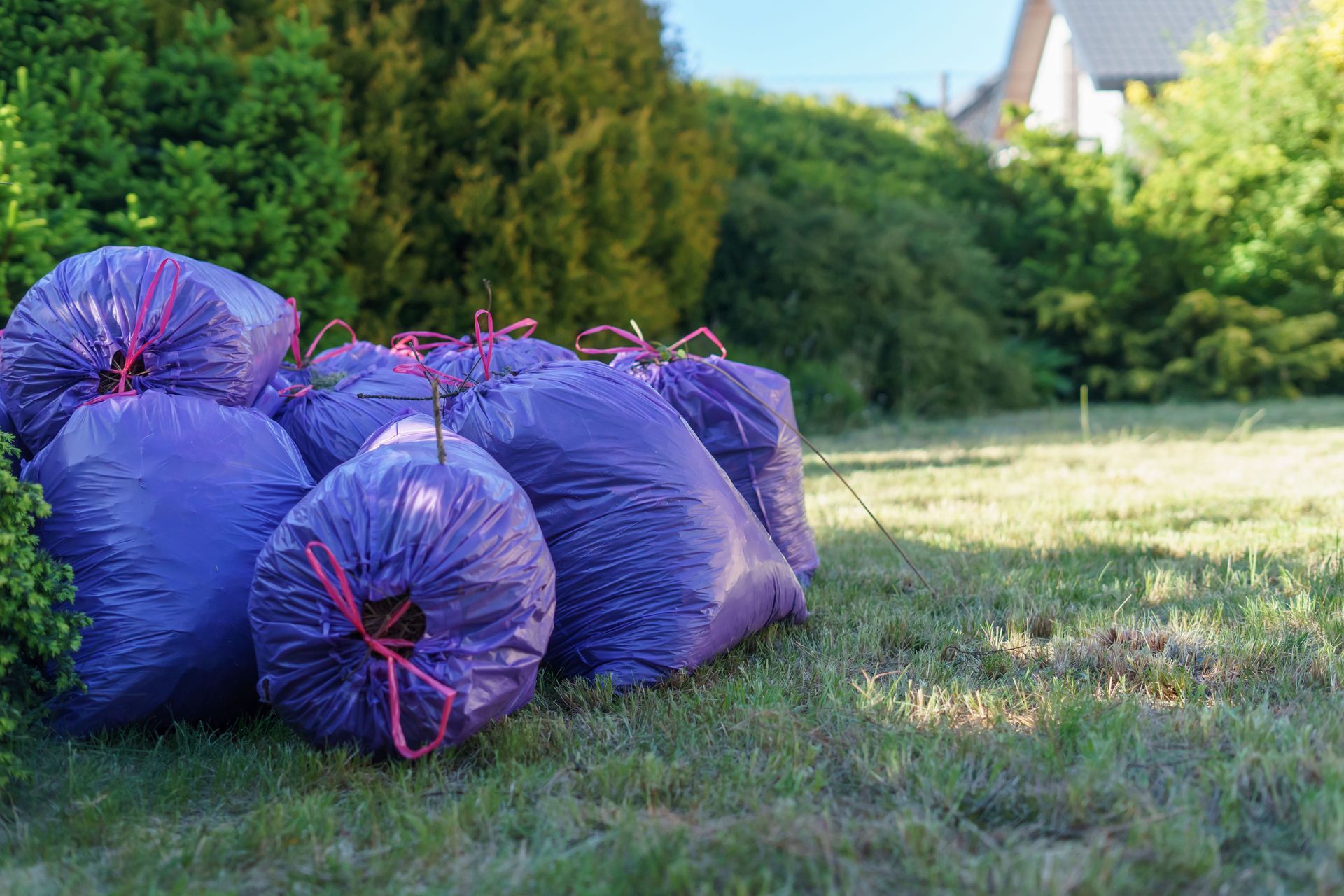
The service handles wood scraps, drywall, roofing materials, siding, packaging waste, and general construction debris, plus yard waste like removed landscaping and storm-damaged vegetation from outdoor projects.
How does scheduling work for ongoing construction projects?
Contractors often arrange weekly or bi-weekly pickups throughout project duration to prevent debris accumulation, with flexible timing that adapts to project pace rather than rigid schedules that don't match work flow.
When should debris removal happen during renovations?
Most projects benefit from removal at natural transition points—after demolition completes, when rough construction finishes, and before final finishes begin—keeping sites manageable throughout rather than facing overwhelming cleanup at project end.
What disposal methods are used for construction waste?
Materials get sorted during loading when practical, with recyclable metals and clean wood directed toward appropriate facilities, while mixed construction debris moves to licensed landfills equipped to handle building waste under Florida regulations.
How is debris removal priced for construction projects?
Costs typically reflect volume measured in truck or dumpster capacity, plus disposal fees that vary by material type, with some waste like concrete or shingles carrying higher disposal charges than general construction debris.
Whether your project involves major renovation work or yard cleanup after storm damage, Purge It Pros provides debris removal that keeps properties functional and compliant. Arrange your debris pickup to match your project timeline and maintain site safety throughout active work phases.